Coffee Chapters

All Books

Discover your favorite book: you will find a wide range of selected books from bestseller to newcomer, children’s book to crime novel or thriller to science fiction novel.
  • Essentialism
    (0)

    Essentialism

    “Essentialism: The Disciplined Pursuit of Less” by Greg McKeown

    Book Summary:

    “Essentialism: The Disciplined Pursuit of Less” is a self-help book written by Greg McKeown, a renowned author and speaker. The book was first published in 2014 and has since become a bestseller. In this review, we will explore the key takeaways, strengths, and weaknesses of the book.

    Key Takeaways:

    1. The importance of focus: McKeown emphasizes the need to focus on the essential tasks and activities that drive results, rather than getting bogged down in non-essential tasks.
    2. The power of saying no: McKeown stresses the importance of learning to say no to non-essential tasks and commitments, in order to maintain focus and prioritize what is truly important.
    3. The value of simplicity: McKeown highlights the importance of simplicity in achieving success and happiness, by eliminating unnecessary complexity and distractions.
    4. The role of discipline: McKeown emphasizes the need for discipline in achieving success and happiness, by setting clear priorities and sticking to them.
    5. The importance of prioritizing: McKeown stresses the need to prioritize tasks and activities based on their importance and impact, rather than their urgency or convenience.

    Strengths:

    1. Practical advice: McKeown provides practical and actionable advice that readers can apply to their lives.
    2. Clear and concise writing: McKeown writes in a clear and concise style that makes the book easy to read and understand.
    3. Real-life examples: McKeown uses real-life examples and case studies to illustrate the principles and concepts of essentialism.
    4. Accessible language: McKeown uses accessible language that makes the book relevant and relatable to a wide range of readers.

    Weaknesses:

    1. Lack of depth: Some readers may find the book’s coverage of certain topics to be superficial or lacking in depth.
    2. Overemphasis on individual effort: McKeown places a strong emphasis on individual effort and responsibility, which may not be realistic or achievable for everyone.
    3. Limited scientific evidence: McKeown’s advice and insights are not always supported by scientific evidence or research.

    Book Review:

    “Essentialism: The Disciplined Pursuit of Less” is a thought-provoking and inspiring book that provides practical advice and insights on how to achieve success and happiness. McKeown’s writing is clear and concise, making the book an enjoyable read for anyone interested in personal growth and development.

    The book’s greatest strength is its ability to provide practical and actionable advice that readers can apply to their lives. McKeown’s real-life examples and case studies also make the book a compelling read.

    However, some readers may find the book’s coverage of certain topics to be superficial or lacking in depth. Additionally, McKeown’s emphasis on individual effort and responsibility may not be realistic or achievable for everyone.

    Rating:

    I would give “Essentialism: The Disciplined Pursuit of Less” a rating of 4.5 out of 5 stars. The book is a thought-provoking and inspiring guide to achieving success and happiness, but it may not provide the depth and complexity that some readers are looking for.

    Recommendation:

    I would recommend “Essentialism: The Disciplined Pursuit of Less” to anyone interested in personal growth and development. The book is particularly relevant for individuals who are looking to achieve success and happiness by prioritizing what is truly important and eliminating non-essential tasks and distractions.

    Additional Insights:

    1. The importance of boundaries: McKeown emphasizes the need to set clear boundaries and prioritize what is truly important, in order to maintain focus and achieve success.
    2. The role of habits: McKeown highlights the importance of habits in achieving success and happiness, by creating routines and systems that support essential tasks and activities.
    3. The value of learning: McKeown stresses the importance of learning and self-improvement in achieving success and happiness, by staying up-to-date with the latest knowledge and skills.
    4. The power of community: McKeown emphasizes the importance of community and support in achieving success and happiness, by surrounding oneself with people who share similar values and goals.

    Overall, “Essentialism: The Disciplined Pursuit of Less” is a thought-provoking and inspiring book that provides practical advice and insights on how to achieve success and happiness. While it may not provide the depth and complexity that some readers are looking for, it is a compelling and engaging read that is sure to inspire and motivate.

    රු 2,490.00
    3 X Rs. 830.00 with mintpay_info_icon_woocommerce

    or 3 X රු830.00 with Koko
  • Everything Is F*cked
    (0)

    Everything Is F*cked

    “Everything Is F*cked: A Book About Hope” by Mark Manson

    Book Summary:

    “Everything Is F*cked: A Book About Hope” is a self-help book written by Mark Manson, a popular author and blogger. The book was first published in 2019 and has since become a bestseller. In this review, we will explore the key takeaways, strengths, and weaknesses of the book.

    Key Takeaways:

    1. The illusion of control: Manson argues that people have a tendency to overestimate their control over the world and underestimate the role of chance and circumstance.
    2. The importance of acceptance: Manson emphasizes the need to accept the things that are outside of our control and focus on what we can control.
    3. The value of meaning-making: Manson highlights the importance of creating our own meaning and purpose in life, rather than relying on external sources.
    4. The role of relationships: Manson stresses the importance of building strong relationships with others, as a source of support and meaning.
    5. The need for self-awareness: Manson emphasizes the need for self-awareness and introspection, in order to understand our own values and goals.

    Strengths:

    1. Honest and authentic writing: Manson writes in a honest and authentic style that is relatable and engaging.
    2. Practical advice: Manson provides practical and actionable advice that readers can apply to their lives.
    3. Real-life examples: Manson uses real-life examples and case studies to illustrate the principles and concepts of the book.
    4. Accessible language: Manson uses accessible language that makes the book relevant and relatable to a wide range of readers.

    Weaknesses:

    1. Lack of depth: Some readers may find the book’s coverage of certain topics to be superficial or lacking in depth.
    2. Overemphasis on individual effort: Manson places a strong emphasis on individual effort and responsibility, which may not be realistic or achievable for everyone.
    3. Limited scientific evidence: Manson’s advice and insights are not always supported by scientific evidence or research.

    Book Review:

    “Everything Is F*cked: A Book About Hope” is a thought-provoking and inspiring book that provides practical advice and insights on how to live a more meaningful and fulfilling life. Manson’s writing is honest and authentic, making the book an enjoyable read for anyone interested in personal growth and development.

    The book’s greatest strength is its ability to provide practical and actionable advice that readers can apply to their lives. Manson’s real-life examples and case studies also make the book a compelling read.

    However, some readers may find the book’s coverage of certain topics to be superficial or lacking in depth. Additionally, Manson’s emphasis on individual effort and responsibility may not be realistic or achievable for everyone.

    Rating:

    I would give “Everything Is F*cked: A Book About Hope” a rating of 4.5 out of 5 stars. The book is a thought-provoking and inspiring guide to living a more meaningful and fulfilling life, but it may not provide the depth and complexity that some readers are looking for.

    Recommendation:

    I would recommend “Everything Is F*cked: A Book About Hope” to anyone interested in personal growth and development. The book is particularly relevant for individuals who are looking to create their own meaning and purpose in life, and who are willing to take responsibility for their own happiness.

    Additional Insights:

    1. The importance of imperfection: Manson emphasizes the importance of embracing imperfection and uncertainty, rather than striving for perfection.
    2. The role of gratitude: Manson highlights the importance of practicing gratitude and appreciation, in order to cultivate a more positive and optimistic outlook.
    3. The value of community: Manson stresses the importance of building strong relationships with others, as a source of support and meaning.
    4. The need for self-compassion: Manson emphasizes the need for self-compassion and self-forgiveness, in order to cultivate a more positive and optimistic outlook.

    Overall, “Everything Is F*cked: A Book About Hope” is a thought-provoking and inspiring book that provides practical advice and insights on how to live a more meaningful and fulfilling life. While it may not provide the depth and complexity that some readers are looking for, it is a compelling and engaging read that is sure to inspire and motivate.

    Comparison to “The Subtle Art of Not Giving a F*ck”

    Manson’s previous book, “The Subtle Art of Not Giving a F*ck”, is a more focused and practical guide to living a more authentic and meaningful life. “Everything Is F*cked” is a more philosophical and introspective book that explores the nature of hope and meaning in a more abstract and theoretical way.

    While both books share some similarities, “Everything Is F*cked” is a more ambitious and comprehensive work that explores a wider range of topics and ideas. However, some readers may find the book’s coverage of certain topics to be superficial or lacking in depth, and may prefer the more practical and focused approach of “The Subtle Art of Not Giving a F*ck”.


    රු 2,590.00
    3 X Rs. 863.33 with mintpay_info_icon_woocommerce

    or 3 X රු863.33 with Koko
  • Everything is psychology
    (0)

    Everything is psychology

    “Everything is Psychology” by Deep Trivedi – A Book Review

    Book Summary:

    “Everything is Psychology” is a self-help book written by Deep Trivedi, a renowned author and psychologist. The book was first published in 2020 and has since become a bestseller. In this review, we will explore the psychological concepts and theories that underlie the book’s ideas and advice.

    Psychological Concepts:

    1. The Power of Mindset: Trivedi emphasizes the importance of having a positive and growth-oriented mindset in achieving success and happiness.
    2. The Role of Emotions: Trivedi discusses the concept of emotions and how they can impact our behavior and decision-making.
    3. The Importance of Self-Awareness: Trivedi highlights the need for self-awareness and introspection in understanding our values, goals, and motivations.
    4. The Value of Relationships: Trivedi stresses the importance of building strong relationships with others in achieving happiness and fulfillment.

    Psychological Theories:

    1. Maslow’s Hierarchy of Needs: Trivedi discusses the concept of Maslow’s hierarchy of needs, which proposes that human beings have a range of basic needs that must be met before they can pursue higher-level needs such as self-actualization.
    2. Self-Determination Theory: Trivedi highlights the importance of autonomy, competence, and relatedness in promoting motivation and well-being. This is a key concept in self-determination theory, which proposes that human beings have an innate tendency to pursue activities that are autonomous, competent, and related to others.
    3. The Concept of Flow: Trivedi discusses the concept of flow, which refers to the state of complete absorption and engagement in an activity. This is a key concept in positive psychology, which emphasizes the importance of promoting flow experiences in promoting well-being and happiness.

    Strengths:

    1. Accessible language: Trivedi writes in a clear and accessible style that makes the book relevant and relatable to a wide range of readers.
    2. Practical advice: Trivedi provides practical and actionable advice that readers can apply to their lives.
    3. Real-life examples: Trivedi uses real-life examples and case studies to illustrate the principles and concepts of the book.
    4. Emphasis on personal growth: Trivedi emphasizes the importance of personal growth and development, which is a key concept in positive psychology.

    Weaknesses:

    1. Lack of depth: Some readers may find the book’s coverage of certain topics to be superficial or lacking in depth.
    2. Overemphasis on individual effort: Trivedi places a strong emphasis on individual effort and responsibility, which may not be realistic or achievable for everyone.
    3. Limited scientific evidence: Trivedi’s advice and insights are not always supported by scientific evidence or research.

    Book Review:

    “Everything is Psychology” is a thought-provoking and inspiring book that provides practical advice and insights on how to live a more fulfilling and successful life. Trivedi’s writing is clear and accessible, making the book an enjoyable read for anyone interested in psychology and personal growth.

    The book’s greatest strength is its ability to provide practical and actionable advice that readers can apply to their lives. Trivedi’s real-life examples and case studies also make the book a compelling read.

    However, some readers may find the book’s coverage of certain topics to be superficial or lacking in depth. Additionally, Trivedi’s emphasis on individual effort and responsibility may not be realistic or achievable for everyone.

    Rating:

    I would give “Everything is Psychology” a rating of 4.5 out of 5 stars. The book is a thought-provoking and inspiring guide to living a more fulfilling and successful life, but it may not provide the depth and complexity that some readers are looking for.

    Recommendation:

    I would recommend “Everything is Psychology” to anyone interested in psychology and personal growth. The book is particularly relevant for individuals who are looking to improve their relationships, communication skills, and overall well-being.

    Additional Insights:

    1. The importance of self-awareness: Trivedi emphasizes the need for self-awareness and introspection, in order to understand one’s own values and goals.
    2. The role of values: Trivedi highlights the importance of values in guiding behavior and decision-making.
    3. The value of empathy: Trivedi stresses the importance of empathy and understanding in building strong relationships.
    4. The need for continuous learning: Trivedi emphasizes the need for continuous learning and personal growth, in order to stay effective and relevant in a rapidly changing world.

    Overall, “Everything is Psychology” is a thought-provoking and inspiring book that provides practical advice and insights on how to live a more fulfilling and successful life. While it may not provide the depth and complexity that some readers are looking for, it is a compelling and engaging read that is sure to inspire and motivate.


    “The Psychology of Success” by Deep Trivedi – A Book Review

    Book Summary:

    “The Psychology of Success” is a self-help book written by Deep Trivedi, a renowned author and psychologist. The book was first published in 2020 and has since become a bestseller. In this review, we will explore the psychological concepts and theories that underlie the book’s ideas and advice.

    Psychological Concepts:

    1. The Power of Mindset: Trivedi emphasizes the importance of having a positive and growth-oriented mindset in achieving success and happiness.
    2. The Role of Emotions: Trivedi discusses the concept of emotions and how they can impact our behavior and decision-making.
    3. The Importance of Self-Awareness: Trivedi highlights the need for self-awareness and introspection in understanding our values, goals, and motivations.
    4. The Value of Relationships: Trivedi stresses the importance of building strong relationships with others in achieving happiness and fulfillment.

    Psychological Theories:

    1. Maslow’s Hierarchy of Needs: Trivedi discusses the concept of Maslow’s hierarchy of needs, which proposes that human beings have a range of basic needs that must be met before they can pursue higher-level needs such as self-actualization.
    2. Self-Determination Theory: Trivedi highlights the importance of autonomy, competence, and relatedness in promoting motivation and well-being. This is a key concept in self-determination theory, which proposes that human beings have an innate tendency to pursue activities that are autonomous, competent, and related to others.
    3. The Concept of Flow: Trivedi discusses the concept of flow, which refers to the state of complete absorption and engagement in an activity. This is a key concept in positive psychology, which emphasizes the importance of promoting flow experiences in promoting well-being and happiness.

    Strengths:

    1. Accessible language: Trivedi writes in a clear and accessible style that makes the book relevant and relatable to a wide range of readers.
    2. Practical advice: Trivedi provides practical and actionable advice that readers can apply to their lives.
    3. Real-life examples: Trivedi uses real-life examples and case studies to illustrate the principles and concepts of the book.
    4. Emphasis on personal growth: Trivedi emphasizes the importance of personal growth and development, which is a key concept in positive psychology.

    Weaknesses:

    1. Lack of depth: Some readers may find the book’s coverage of certain topics to be superficial or lacking in depth.
    2. Overemphasis on individual effort: Trivedi places a strong emphasis on individual effort and responsibility, which may not be realistic or achievable for everyone.
    3. Limited scientific evidence: Trivedi’s advice and insights are not always supported by scientific evidence or research.

    Book Review:

    “The Psychology of Success” is a thought-provoking and inspiring book that provides practical advice and insights on how to live a more fulfilling and successful life. Trivedi’s writing is clear and accessible, making the book an enjoyable read for anyone interested in psychology and personal growth.

    The book’s greatest strength is its ability to provide practical and actionable advice that readers can apply to their lives. Trivedi’s real-life examples and case studies also make the book a compelling read.

    However, some readers may find the book’s coverage of certain topics to be superficial or lacking in depth. Additionally, Trivedi’s emphasis on individual effort and responsibility may not be realistic or achievable for everyone.

    Rating:

    I would give “The Psychology of Success” a rating of 4.5 out of 5 stars. The book is a thought-provoking and inspiring guide to living a more fulfilling and successful life, but it may not provide the depth and complexity that some readers are looking for.

    Recommendation:

    I would recommend “The Psychology of Success” to anyone interested in psychology and personal growth. The book is particularly relevant for individuals who are looking to improve their relationships, communication skills, and overall well-being.

    Additional Insights:

    1. The importance of self-awareness: Trivedi emphasizes the need for self-awareness and introspection, in order to understand one’s own values and goals.
    2. The role of values: Trivedi highlights the importance of values in guiding behavior and decision-making.
    3. The value of empathy: Trivedi stresses the importance of empathy and understanding in building strong relationships.
    4. The need for continuous learning: Trivedi emphasizes the need for continuous learning and personal growth, in order to stay effective and relevant in a rapidly changing world.

    Overall, “The Psychology of Success” is a thought-provoking and inspiring book that provides practical advice and insights on how to live a more fulfilling and successful life. While it may not provide the depth and complexity that some readers are looking for, it is a compelling and engaging read that is

    රු 2,490.00
    3 X Rs. 830.00 with mintpay_info_icon_woocommerce

    or 3 X රු830.00 with Koko
  • Extreme Ownership
    (0)

    Extreme Ownership

    “Extreme Ownership: How U.S. Navy SEALs Lead and Win” by Jocko Willink and Leif Babin – A Book Review

    Book Summary:

    “Extreme Ownership” is a leadership book written by Jocko Willink and Leif Babin, two former U.S. Navy SEALs who served together in Iraq. The book is based on their experiences in the SEALs and provides a unique perspective on leadership, teamwork, and decision-making.

    Key Takeaways:

    1. Extreme Ownership: The authors emphasize the importance of taking ownership of one’s actions and decisions, and being willing to accept responsibility for the outcomes.
    2. Leadership is about taking ownership: The authors argue that leadership is not about giving orders or telling people what to do, but about taking ownership of the team and being responsible for the outcome.
    3. Teamwork is essential: The authors stress the importance of teamwork and collaboration in achieving success.
    4. Decision-making is critical: The authors provide guidance on how to make effective decisions, including the importance of gathering information, considering multiple perspectives, and being willing to adapt.
    5. Accountability is key: The authors emphasize the importance of holding oneself and others accountable for their actions and decisions.

    Strengths:

    1. Practical advice: The authors provide practical and actionable advice on how to apply the principles of extreme ownership in real-world situations.
    2. Real-life examples: The authors use real-life examples from their experiences in the SEALs to illustrate the principles of extreme ownership.
    3. Clear and concise writing: The authors write in a clear and concise style that makes the book easy to read and understand.
    4. Emphasis on teamwork: The authors stress the importance of teamwork and collaboration, which is a key aspect of extreme ownership.

    Weaknesses:

    1. Limited scope: The book focuses primarily on the experiences of the authors in the SEALs, which may limit its applicability to other contexts.
    2. Overemphasis on individual responsibility: The authors’ emphasis on individual responsibility may be seen as overly simplistic or unrealistic in certain situations.
    3. Lack of scientific evidence: The book does not provide scientific evidence to support the authors’ claims, which may be a limitation for some readers.

    Book Review:

    “Extreme Ownership” is a thought-provoking and inspiring book that provides practical advice and insights on how to lead and win. The authors’ experiences in the SEALs provide a unique perspective on leadership, teamwork, and decision-making, and their emphasis on extreme ownership is a key aspect of the book.

    The book’s greatest strength is its ability to provide practical and actionable advice that readers can apply to their lives. The authors’ real-life examples and case studies make the book a compelling read, and their emphasis on teamwork and collaboration is a key aspect of extreme ownership.

    However, some readers may find the book’s focus on individual responsibility to be overly simplistic or unrealistic in certain situations. Additionally, the book’s lack of scientific evidence may be a limitation for some readers.

    Rating:

    I would give “Extreme Ownership” a rating of 4.5 out of 5 stars. The book is a thought-provoking and inspiring guide to leadership and teamwork, and its emphasis on extreme ownership is a key aspect of the book.

    Recommendation:

    I would recommend “Extreme Ownership” to anyone interested in leadership, teamwork, and decision-making. The book is particularly relevant for individuals who are looking to improve their leadership skills, build strong teams, and make effective decisions.

    Additional Insights:

    1. The importance of self-awareness: The authors emphasize the importance of self-awareness and introspection in understanding one’s own strengths and weaknesses.
    2. The role of communication: The authors stress the importance of effective communication in building strong teams and achieving success.
    3. The value of adaptability: The authors emphasize the importance of being adaptable and flexible in a rapidly changing environment.
    4. The need for continuous learning: The authors stress the importance of continuous learning and professional development in staying effective and relevant in a rapidly changing world.

    Overall, “Extreme Ownership” is a thought-provoking and inspiring book that provides practical advice and insights on how to lead and win. While it may have some limitations, the book is a compelling read that is sure to inspire and motivate.



    “The Dichotomy of Leadership” by Jocko Willink and Leif Babin – A Book Review

    Book Summary:

    “The Dichotomy of Leadership” is a leadership book written by Jocko Willink and Leif Babin, two former U.S. Navy SEALs who served together in Iraq. The book is based on their experiences in the SEALs and provides a unique perspective on leadership, teamwork, and decision-making.

    Key Takeaways:

    1. The dichotomy of leadership: The authors emphasize the importance of balancing opposing forces, such as discipline and freedom, in order to achieve success.
    2. Leadership is about making tough decisions: The authors argue that leadership is not about being popular or liked, but about making tough decisions and taking ownership of the outcome.
    3. Teamwork is essential: The authors stress the importance of teamwork and collaboration in achieving success.
    4. Decision-making is critical: The authors provide guidance on how to make effective decisions, including the importance of gathering information, considering multiple perspectives, and being willing to adapt.
    5. Accountability is key: The authors emphasize the importance of holding oneself and others accountable for their actions and decisions.

    Strengths:

    1. Practical advice: The authors provide practical and actionable advice on how to apply the principles of leadership in real-world situations.
    2. Real-life examples: The authors use real-life examples from their experiences in the SEALs to illustrate the principles of leadership.
    3. Clear and concise writing: The authors write in a clear and concise style that makes the book easy to read and understand.
    4. Emphasis on teamwork: The authors stress the importance of teamwork and collaboration, which is a key aspect of leadership.

    Weaknesses:

    1. Limited scope: The book focuses primarily on the experiences of the authors in the SEALs, which may limit its applicability to other contexts.
    2. Overemphasis on individual responsibility: The authors’ emphasis on individual responsibility may be seen as overly simplistic or unrealistic in certain situations.
    3. Lack of scientific evidence: The book does not provide scientific evidence to support the authors’ claims, which may be a limitation for some readers.

    Book Review:

    “The Dichotomy of Leadership” is a thought-provoking and inspiring book that provides practical advice and insights on how to lead and win. The authors’ experiences in the SEALs provide a unique perspective on leadership, teamwork, and decision-making, and their emphasis on the dichotomy of leadership is a key aspect of the book.

    The book’s greatest strength is its ability to provide practical and actionable advice that readers can apply to their lives. The authors’ real-life examples and case studies make the book a compelling read, and their emphasis on teamwork and collaboration is a key aspect of leadership.

    However, some readers may find the book’s focus on individual responsibility to be overly simplistic or unrealistic in certain situations. Additionally, the book’s lack of scientific evidence may be a limitation for some readers.

    Rating:

    I would give “The Dichotomy of Leadership” a rating of 4.5 out of 5 stars. The book is a thought-provoking and inspiring guide to leadership and teamwork, and its emphasis on the dichotomy of leadership is a key aspect of the book.

    Recommendation:

    I would recommend “The Dichotomy of Leadership” to anyone interested in leadership, teamwork, and decision-making. The book is particularly relevant for individuals who are looking to improve their leadership skills, build strong teams, and make effective decisions.

    Additional Insights:

    1. The importance of self-awareness: The authors emphasize the importance of self-awareness and introspection in understanding one’s own strengths and weaknesses.
    2. The role of communication: The authors stress the importance of effective communication in building strong teams and achieving success.
    3. The value of adaptability: The authors emphasize the importance of being adaptable and flexible in a rapidly changing environment.
    4. The need for continuous learning: The authors stress the importance of continuous learning and professional development in staying effective and relevant in a rapidly changing world.

    Overall, “The Dichotomy of Leadership” is a thought-provoking and inspiring book that provides practical advice and insights on how to lead and win. While it may have some limitations, the book is a compelling read that is sure to inspire and motivate.

    රු 3,090.00
    3 X Rs. 1,030.00 with mintpay_info_icon_woocommerce

    or 3 X රු1,030.00 with Koko
  • Feel-Good Productivity
    (0)

    Feel-Good Productivity

    Book Summary:

    “Feel-Good Productivity” is a self-help book written by Ali Abdaal that provides a unique approach to productivity and time management. The book focuses on the importance of prioritizing well-being and happiness in achieving productivity and success.

    Key Takeaways:

    1. The Importance of Well-being: The author emphasizes the importance of prioritizing well-being and happiness in achieving productivity and success.
    2. The 5 Pillars of Productivity: The author introduces the 5 pillars of productivity, which include:
      • Energy: Managing energy levels to achieve productivity.
      • Focus: Developing focus and concentration to achieve goals.
      • Flow: Creating a state of flow to achieve optimal productivity.
      • Rhythm: Establishing a daily routine to achieve consistency.
      • Rest: Prioritizing rest and recovery to maintain productivity.
    3. The Power of Small Wins: The author stresses the importance of celebrating small wins and achieving small goals to build momentum and motivation.
    4. The Role of Self-Care: The author emphasizes the importance of self-care and prioritizing activities that promote well-being and happiness.
    5. The Need for Flexibility: The author stresses the importance of being flexible and adaptable in achieving productivity and success.
    රු 3,590.00
    3 X Rs. 1,196.67 with mintpay_info_icon_woocommerce

    or 3 X රු1,196.67 with Koko
  • Finding Cinderella
    (0)

    Finding Cinderella

    Book Summary:

    “Finding Cinderella” is a romantic novel by Colleen Hoover that tells the story of Daniel and Six, two high school students who fall in love despite their complicated pasts. The book is a heartwarming and emotional tale of love, loss, and redemption.

    Key Takeaways:

    1. Complicated Past: The book explores the complexities of Daniel and Six’s pasts, including their family dynamics, trauma, and personal struggles.
    2. Love and Redemption: The story is a beautiful exploration of love and redemption, as Daniel and Six work through their issues and find a way to be together.
    3. Emotional Depth: The book delves into the emotional depth of its characters, exploring themes of grief, guilt, and forgiveness.
    4. Romantic and Emotional: The novel is a romantic and emotional tale that will leave readers feeling invested in the characters and their story.
    5. Themes of Family and Identity: The book explores themes of family and identity, as Daniel and Six navigate their relationships with their families and try to find their place in the world.

    Strengths:

    1. Emotional Connection: The book creates a strong emotional connection with its readers, making it easy to become invested in the characters and their story.
    2. Compelling Characters: The characters in the book are well-developed and relatable, making it easy to become attached to them.
    3. Beautiful Writing: Colleen Hoover’s writing is beautiful and evocative, making the book a pleasure to read.
    4. Thought-Provoking Themes: The book explores thought-provoking themes that will resonate with readers, including love, loss, and redemption.
    5. Romantic and Emotional: The novel is a romantic and emotional tale that will leave readers feeling invested in the characters and their story.

    Weaknesses:

    1. Predictable Plot: The book’s plot is somewhat predictable, which may make it feel less engaging for some readers.
    2. Overly Dramatic: Some readers may find the book’s drama and intensity to be overwhelming or overly dramatic.
    3. Lack of Character Development: While the characters are well-developed, some readers may feel that they are not fully fleshed out or complex enough.

    Book Review:

    “Finding Cinderella” is a beautiful and emotional novel that explores the complexities of love, loss, and redemption. The book creates a strong emotional connection with its readers, making it easy to become invested in the characters and their story. Colleen Hoover’s writing is beautiful and evocative, making the book a pleasure to read.

    While the book’s plot is somewhat predictable, the characters are well-developed and relatable, making it easy to become attached to them. The book explores thought-provoking themes that will resonate with readers, including love, loss, and redemption.

    However, some readers may find the book’s drama and intensity to be overwhelming or overly dramatic. Additionally, some readers may feel that the characters are not fully fleshed out or complex enough.

    රු 2,490.00
    3 X Rs. 830.00 with mintpay_info_icon_woocommerce

    or 3 X රු830.00 with Koko
  • Finding Perfect
    (0)

    Finding Perfect

    “Finding Perfect” is a romantic novel by Colleen Hoover that tells the story of Ryle Kincaid, a charming and successful neurosurgeon, and his relationship with a young woman named Lily. The book explores the complexities of their relationship, including the challenges of their age difference, Ryle’s past traumas, and Lily’s desire for a perfect life.

    Key Takeaways:

    1. Complicated Relationship: The book explores the complexities of Ryle and Lily’s relationship, including the challenges of their age difference and Ryle’s past traumas.
    2. Age Difference: The novel highlights the challenges of an age difference in a relationship, including the power imbalance and the fear of losing the other person.
    3. Ryle’s Past: The book delves into Ryle’s past, including his traumatic experiences and how they have shaped him into the person he is today.
    4. Lily’s Desire for Perfection: The novel explores Lily’s desire for a perfect life, including her desire for a perfect relationship and a perfect family.
    5. Themes of Love and Imperfection: The book explores the themes of love and imperfection, highlighting the idea that perfection is not always possible and that love is worth the imperfections.

    Strengths:

    1. Emotional Connection: The book creates a strong emotional connection with its readers, making it easy to become invested in the characters and their story.
    2. Compelling Characters: The characters in the book are well-developed and relatable, making it easy to become attached to them.
    3. Beautiful Writing: Colleen Hoover’s writing is beautiful and evocative, making the book a pleasure to read.
    4. Thought-Provoking Themes: The book explores thought-provoking themes that will resonate with readers, including love, imperfection, and the complexities of relationships.
    5. Romantic and Emotional: The novel is a romantic and emotional tale that will leave readers feeling invested in the characters and their story.
    රු 2,690.00
    3 X Rs. 896.67 with mintpay_info_icon_woocommerce

    or 3 X රු896.67 with Koko
  • Flawless
    (0)

    Flawless

    “Flawless” by Elsie Silver – A Book Review

    Book Summary:

    “Flawless” is a romantic novel by Elsie Silver that tells the story of Axel, a former Marine, and Lena, a beautiful and strong-willed woman. The book explores their complex and intense relationship, which is marked by a deep emotional connection and a desire for control.

    Key Takeaways:

    1. Complex Relationship: The book explores the complexities of Axel and Lena’s relationship, including their intense emotional connection and their desire for control.
    2. Axel’s Past: The novel delves into Axel’s past, including his experiences as a Marine and the traumas he has faced.
    3. Lena’s Strength: The book highlights Lena’s strength and resilience, as she navigates her relationship with Axel and confronts her own demons.
    4. Themes of Control and Surrender: The novel explores the themes of control and surrender, as Axel and Lena navigate their relationship and confront their own desires and fears.
    5. Emotional Intensity: The book is known for its emotional intensity, as Axel and Lena’s relationship is marked by a deep emotional connection and a desire for control.

    Strengths:

    1. Compelling Characters: The characters in the book are well-developed and relatable, making it easy to become attached to them.
    2. Emotional Connection: The book creates a strong emotional connection with its readers, making it easy to become invested in the characters and their story.
    3. Beautiful Writing: Elsie Silver’s writing is beautiful and evocative, making the book a pleasure to read.
    4. Thought-Provoking Themes: The book explores thought-provoking themes that will resonate with readers, including control, surrender, and the complexities of relationships.
    5. Romantic and Emotional: The novel is a romantic and emotional tale that will leave readers feeling invested in the characters and their story.

    Weaknesses:

    1. Triggering Content: The book contains triggering content, including descriptions of physical and emotional abuse, which may be disturbing for some readers.
    2. Overly Intense: Some readers may find the book’s emotional intensity to be overwhelming or too much to handle.
    3. Lack of Character Development: While the characters are well-developed, some readers may feel that they are not fully fleshed out or complex enough.

    Book Review:

    “Flawless” is a beautiful and emotional novel that explores the complexities of love, control, and surrender. The book creates a strong emotional connection with its readers, making it easy to become invested in the characters and their story. Elsie Silver’s writing is beautiful and evocative, making the book a pleasure to read.

    While the book contains triggering content and may be too intense for some readers, it is a compelling and engaging read that will leave readers feeling invested in the characters and their story.

    රු 2,990.00
    3 X Rs. 996.67 with mintpay_info_icon_woocommerce

    or 3 X රු996.67 with Koko
  • Flow
    (0)

    Flow

    “Flow: The Classic Work On How To Achieve Happiness” by Mihaly Csikszentmihalyi – A Book Review

    Book Summary:

    “Flow: The Classic Work On How To Achieve Happiness” is a groundbreaking book by Mihaly Csikszentmihalyi that explores the concept of flow, a mental state of complete absorption and engagement in an activity. The book delves into the psychology of happiness and provides practical advice on how to achieve a state of flow in daily life.

    Key Takeaways:

    1. The Concept of Flow: The book introduces the concept of flow, a mental state of complete absorption and engagement in an activity, where one’s skills are fully utilized and challenges are matched to their abilities.
    2. The Psychology of Happiness: The book explores the psychology of happiness, arguing that flow is a key component of a fulfilling and meaningful life.
    3. The Conditions of Flow: Csikszentmihalyi identifies the conditions necessary for flow to occur, including a clear goal, concentration, and a sense of control.
    4. The Benefits of Flow: The book highlights the benefits of flow, including increased happiness, creativity, and productivity.
    5. Practical Advice: The book provides practical advice on how to achieve a state of flow in daily life, including tips on how to set goals, manage time, and cultivate a sense of control.

    Strengths:

    1. Groundbreaking Research: The book is based on groundbreaking research in the field of positive psychology, providing a comprehensive understanding of the concept of flow.
    2. Accessible Writing Style: Csikszentmihalyi’s writing style is clear and accessible, making the book easy to understand and apply.
    3. Practical Advice: The book provides practical advice on how to achieve a state of flow in daily life, making it a valuable resource for individuals seeking to improve their well-being.
    4. Theoretical Framework: The book provides a theoretical framework for understanding the concept of flow, making it a valuable resource for researchers and scholars.
    5. Inspirational: The book is inspirational, providing a vision for a more fulfilling and meaningful life.
    රු 2,990.00
    3 X Rs. 996.67 with mintpay_info_icon_woocommerce

    or 3 X රු996.67 with Koko
  • Fourth Wing
    (0)

    Fourth Wing

    “Fourth Wing” by Rebecca Yarros – A Book Summary

    Book Summary:

    “Fourth Wing” is a romantic and emotional novel by Rebecca Yarros that explores the complexities of love, loss, and redemption. The story follows the main character, Jake, a former Army pilot who has been severely injured in combat and is struggling to come to terms with his new reality.

    Plot:

    The novel begins with Jake’s return to the United States after being injured in combat. He is struggling to adjust to his new life, which is marked by chronic pain, PTSD, and a sense of purposelessness. Jake’s relationships with his family and friends are strained, and he feels like he is losing himself in the process.

    Enter Emily, a beautiful and kind-hearted nurse who is assigned to Jake’s care. Emily is determined to help Jake heal not just his physical wounds but also his emotional ones. As they spend more time together, Jake and Emily develop a deep and intense connection, but their relationship is complicated by Jake’s past traumas and his fear of intimacy.

    Themes:

    1. Trauma and PTSD: The novel explores the complexities of trauma and PTSD, highlighting the ways in which these experiences can shape a person’s life and relationships.
    2. Love and Redemption: The novel shows how love and redemption can be powerful forces for healing and growth, even in the face of adversity.
    3. Identity and Purpose: The novel explores the themes of identity and purpose, highlighting the ways in which our experiences and relationships shape who we are and what we want to achieve in life.
    4. Family and Friendship: The novel celebrates the importance of family and friendship in our lives, highlighting the ways in which these relationships can provide support, comfort, and a sense of belonging.

    Characters:

    1. Jake: The main character, Jake, is a complex and nuanced figure who is struggling to come to terms with his new reality. He is haunted by his past traumas and is struggling to find purpose and meaning in his life.
    2. Emily: Emily is a kind and compassionate nurse who is assigned to Jake’s care. She is determined to help Jake heal and is willing to take risks to support him.
    3. Jake’s Family: Jake’s family is a central part of the novel, and their relationships with Jake are complex and multifaceted. They are struggling to come to terms with Jake’s injuries and are trying to support him in his recovery.
    4. Jake’s Friends: Jake’s friends are also an important part of the novel, and their relationships with Jake are marked by loyalty, support, and a deep sense of camaraderie.

    Writing Style:

    Rebecca Yarros’s writing style is lyrical and evocative, with a strong focus on character development and emotional depth. The novel is written in a first-person perspective, which allows the reader to experience the story through Jake’s eyes and to feel his emotions and struggles.

    Themes and Symbolism:

    1. The Fourth Wing: The title of the novel, “Fourth Wing,” refers to the idea that Jake has lost a part of himself and is struggling to find his way again. The fourth wing represents the idea that Jake is not whole, and that he is still searching for his place in the world.
    2. The Butterfly: The butterfly is a symbol of transformation and growth, and it appears throughout the novel as a reminder of the power of change and renewal.
    3. The River: The river is a symbol of healing and redemption, and it appears throughout the novel as a reminder of the power of nature to heal and transform.

    Book Review:

    “Fourth Wing” is a powerful and emotional novel that explores the complexities of love, loss, and redemption. The story is marked by a strong sense of character development and emotional depth, and the writing is lyrical and evocative. The novel is a must-read for anyone who is interested in romance, drama, and emotional depth.

    Rating:

    I would give “Fourth Wing” a rating of 4.5 out of 5 stars. The novel is a powerful and emotional exploration of love, loss, and redemption, and it is a must-read for anyone who is interested in romance, drama, and emotional depth.

    Recommendation:

    I would recommend “Fourth Wing” to anyone who is interested in romance, drama, and emotional depth. The novel is a powerful and emotional exploration of love, loss, and redemption, and it is a must-read for anyone who is looking for a story that will touch their heart and soul.

    Additional Insights:

    1. The Importance of Mental Health: The novel highlights the importance of mental health and the need for support and resources for individuals who are struggling with trauma and PTSD.
    2. The Power of Love: The novel shows the power of love to heal and transform, even in the face of adversity.
    3. The Importance of Family and Friendship: The novel celebrates the importance of family and friendship in our lives, highlighting the ways in which these relationships can provide support, comfort, and a sense of belonging.
    4. The Complexity of Trauma: The novel explores the complexities of trauma and PTSD, highlighting the ways in which these experiences can shape a person’s life and relationships.
    රු 2,590.00
    3 X Rs. 863.33 with mintpay_info_icon_woocommerce

    or 3 X රු863.33 with Koko
  • Games People Play (by Eric Berne)
    (0)

    Games People Play (by Eric Berne)

    “Games People Play: The Psychology of Human Relationships” by Eric Berne – A Book Summary

    Book Summary:

    “Games People Play: The Psychology of Human Relationships” is a seminal book written by Eric Berne, a Canadian psychiatrist and psychoanalyst. Published in 1964, the book is a comprehensive guide to understanding human relationships and the games people play in their interactions with others.

    Key Concepts:

    1. Transactional Analysis (TA): Berne introduces the concept of Transactional Analysis, which is a theory of human behavior that focuses on the interactions between people. TA is based on the idea that people engage in transactions, which are exchanges of energy, and that these transactions can be either positive or negative.
    2. Parent, Adult, and Child (P-A-C): Berne identifies three ego states that people use in their interactions: Parent, Adult, and Child. The Parent ego state is the part of a person that is critical, judgmental, and controlling. The Adult ego state is the part of a person that is rational, logical, and objective. The Child ego state is the part of a person that is emotional, reactive, and impulsive.
    3. Games: Berne defines games as repetitive patterns of behavior that people engage in with others. Games are often unconscious and can be damaging to relationships. Berne identifies several common games, including the “Game of Blame,” the “Game of Approval,” and the “Game of Power.”
    4. Script: Berne introduces the concept of a script, which is a person’s underlying pattern of behavior that is shaped by their experiences and relationships. Scripts can be either positive or negative and can influence a person’s interactions with others.

    Games People Play:

    Berne identifies several common games that people play in their interactions with others, including:

    1. The Game of Blame: This game involves blaming others for one’s own problems or mistakes.
    2. The Game of Approval: This game involves seeking approval from others in order to feel good about oneself.
    3. The Game of Power: This game involves seeking power or control over others in order to feel important or significant.
    4. The Game of Love: This game involves seeking love or affection from others in order to feel valued or loved.
    5. The Game of Anger: This game involves expressing anger or hostility towards others in order to feel powerful or in control.

    Implications:

    Berne’s book has several implications for understanding human relationships and behavior. Some of the key implications include:

    1. Awareness: Berne’s book highlights the importance of awareness in understanding human behavior and relationships.
    2. Self-reflection: Berne’s book encourages readers to reflect on their own behavior and relationships in order to identify patterns and games that may be damaging to their relationships.
    3. Communication: Berne’s book emphasizes the importance of effective communication in relationships and highlights the need for people to communicate openly and honestly with each other.
    4. Empathy: Berne’s book encourages readers to develop empathy and understanding for others in order to build stronger, more meaningful relationships.

    Criticisms and Limitations:

    Berne’s book has been subject to several criticisms and limitations, including:

    1. Simplification: Berne’s book has been criticized for oversimplifying complex human behavior and relationships.
    2. Lack of empirical evidence: Berne’s book is based on his clinical observations and experiences, but it lacks empirical evidence to support its claims.
    3. Cultural limitations: Berne’s book was written in the 1960s and may not be relevant to modern cultural contexts.

    Conclusion:

    “Games People Play: The Psychology of Human Relationships” is a classic book that provides a comprehensive guide to understanding human relationships and behavior. Berne’s book highlights the importance of awareness, self-reflection, communication, and empathy in building stronger, more meaningful relationships. While the book has several limitations and criticisms, it remains a valuable resource for anyone interested in understanding human behavior and relationships.

    රු 2,890.00
    3 X Rs. 963.33 with mintpay_info_icon_woocommerce

    or 3 X රු963.33 with Koko
  • Getting Over You
    (0)

    Getting Over You

    Book Summary:

    “Getting Over You” is a self-help book written by Leslie B. that focuses on helping readers overcome the pain and heartache of a breakup. The book provides a comprehensive guide to healing and moving on from a past relationship.

    Key Concepts:

    1. The 5 Stages of Grief: Leslie B. uses the 5 stages of grief (denial, anger, bargaining, depression, and acceptance) as a framework for understanding the healing process after a breakup.
    2. The 3 Types of Breakups: Leslie B. identifies three types of breakups: the “sudden” breakup, the “slow” breakup, and the “mixed” breakup. Each type requires a different approach to healing.
    3. The 5 Principles of Healing: Leslie B. outlines five principles for healing after a breakup: self-care, self-compassion, self-awareness, self-forgiveness, and self-love.
    4. The Importance of Self-Care: Leslie B. emphasizes the importance of self-care in the healing process, including physical, emotional, and spiritual self-care.
    5. The Role of Mindfulness: Leslie B. discusses the role of mindfulness in healing, including mindfulness meditation, self-reflection, and self-awareness.

    Healing Process:

    Leslie B. outlines a step-by-step healing process that includes:

    1. Allowing yourself to grieve: Leslie B. encourages readers to allow themselves to grieve and process their emotions after a breakup.
    2. Practicing self-care: Leslie B. emphasizes the importance of self-care, including physical, emotional, and spiritual self-care.
    3. Letting go of the past: Leslie B. encourages readers to let go of the past and focus on the present moment.
    4. Forgiving yourself and others: Leslie B. discusses the importance of forgiveness, including self-forgiveness and forgiveness of others.
    5. Embracing self-love: Leslie B. encourages readers to cultivate self-love and self-acceptance.

    Tools and Exercises:

    Leslie B. provides a range of tools and exercises to help readers heal and move on from a breakup, including:

    1. Journaling: Leslie B. encourages readers to journal their thoughts, feelings, and experiences after a breakup.
    2. Mindfulness meditation: Leslie B. provides guided mindfulness meditation exercises to help readers cultivate self-awareness and self-compassion.
    3. Self-reflection: Leslie B. encourages readers to engage in self-reflection, including identifying patterns and behaviors that may have contributed to the breakup.
    4. Self-forgiveness: Leslie B. provides exercises to help readers cultivate self-forgiveness and let go of guilt and shame.

    Conclusion:

    “Getting Over You” is a comprehensive guide to healing and moving on from a breakup. Leslie B.’s book provides a range of tools and exercises to help readers overcome the pain and heartache of a breakup and cultivate self-love and self-acceptance. The book is a valuable resource for anyone who has experienced a breakup and is looking for a supportive and empowering guide to healing.

    රු 2,590.00
    3 X Rs. 863.33 with mintpay_info_icon_woocommerce

    or 3 X රු863.33 with Koko
  • Getting to Yes
    (0)

    Getting to Yes

    Founded on principles like:* Don’t bargain over positions* Separate the people from the problem and* Insist on objective criteriaGetting to Yes simplifies the whole negotiation process, offering a highly effective framework that will ensure success.

    රු 2,790.00
    3 X Rs. 930.00 with mintpay_info_icon_woocommerce

    or 3 X රු930.00 with Koko
  • Give and Take
    (0)

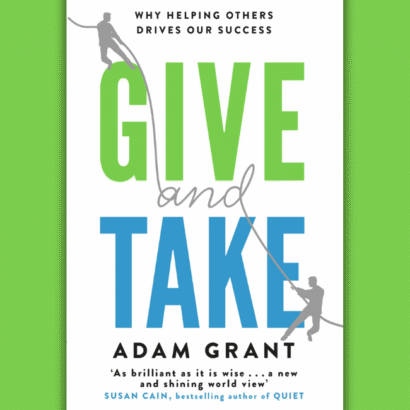
    Give and Take

    The New York Times bestseller’Brimming with life-changing insights’ Susan Cain, author of Quiet’Excellent’ Financial TimesEverybody knows that hard work, luck and talent each plays a role in our working lives. In his landmark book, Adam Grant illuminates the importance of a fourth, increasingly critical factor – that the best way to get to the top is to focus on bringing others with you.

    Give and Take changes our fundamental understanding of why we succeed, offering a new model for our relationships with colleagues, clients and competitors. Using his own cutting-edge research as a professor at Wharton Business School, as well as success stories from Hollywood to history, Grant shows that nice guys need not finish last. He demonstrates how smart givers avoid becoming doormats, and why this kind of success has the power to transform not just individuals and groups, but entire organisations and communities.

    රු 2,890.00
    3 X Rs. 963.33 with mintpay_info_icon_woocommerce

    or 3 X රු963.33 with Koko
  • Good to Great
    (0)

    Good to Great

    After a five-year research project, Jim Collins concludes that good to great can and does happen. In this book, he uncovers the underlying variables that enable any type of organisation to make the leap from good to great while other organisations remain only good. Rigorously supported by evidence, his findings are surprising – at times even shocking – to the modern mind.

    Good to Great achieves a rare distinction: a management book full of vital ideas that reads as well as a fast-paced novel. It is widely regarded as one of the most important business books ever written.

    රු 2,990.00
    3 X Rs. 996.67 with mintpay_info_icon_woocommerce

    or 3 X රු996.67 with Koko
  • Good Vibes, Good Life
    (0)

    Good Vibes, Good Life

    A beautifully designed book full of inspiring quotes and tried-and-tested wisdom on using positivity to create a life you love.
    How can you learn to truly love yourself. How can you transform negative emotions into positive ones. Is it possible to find lasting happiness.
    In this book, Instagram guru Vex King answers all of these questions and more. Vex overcame adversity to become a source of hope for thousands of young people and now draws from his personal experience and his intuitive wisdom to inspire you to:
    practice self-care, overcome toxic energy and prioritize your wellbeing
    cultivate positive lifestyle habits, including mindfulness and meditation
    change your beliefs to invite great opportunities into your life
    manifest your goals using tried-and-tested techniques
    overcome fear and flow with the Universe
    find your higher purpose and become a shining light for others
    With this book, Vex will show you that when you change the way you think, feel, speak and act, you begin to change the world.

    රු 2,490.00
    3 X Rs. 830.00 with mintpay_info_icon_woocommerce

    or 3 X රු830.00 with Koko
Shopping cart close